Seoul, South Korea
Architectural Vision
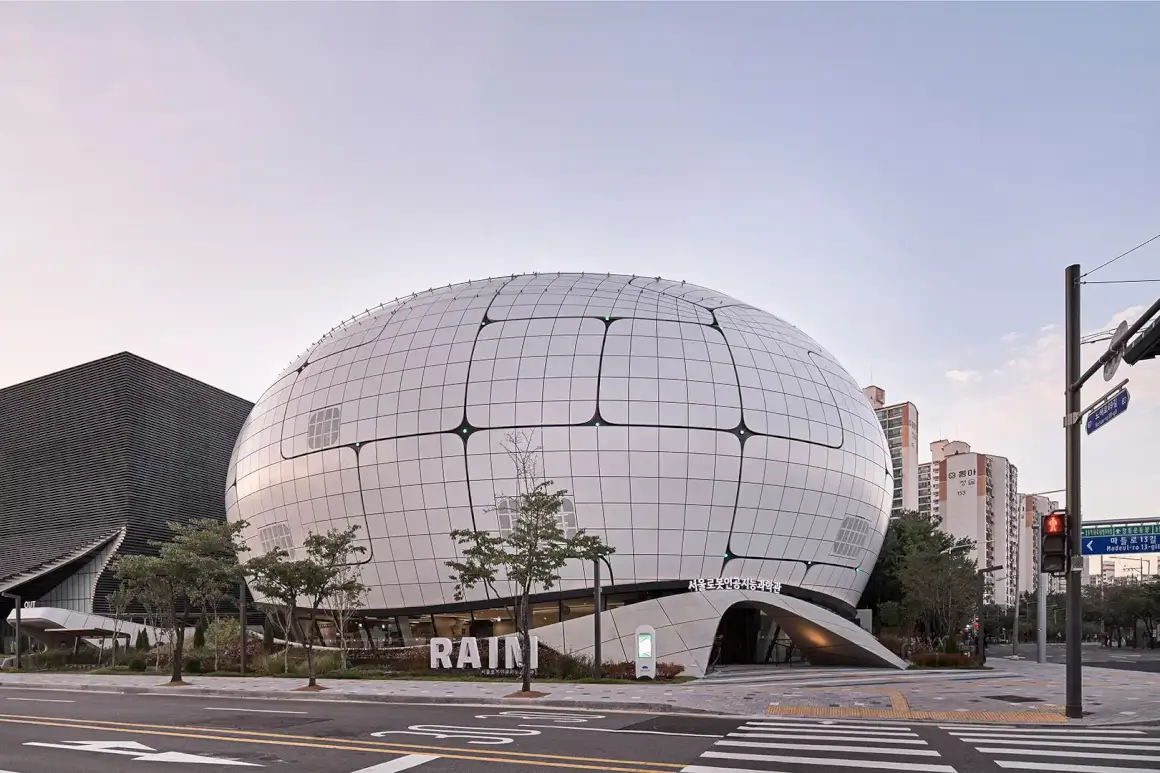
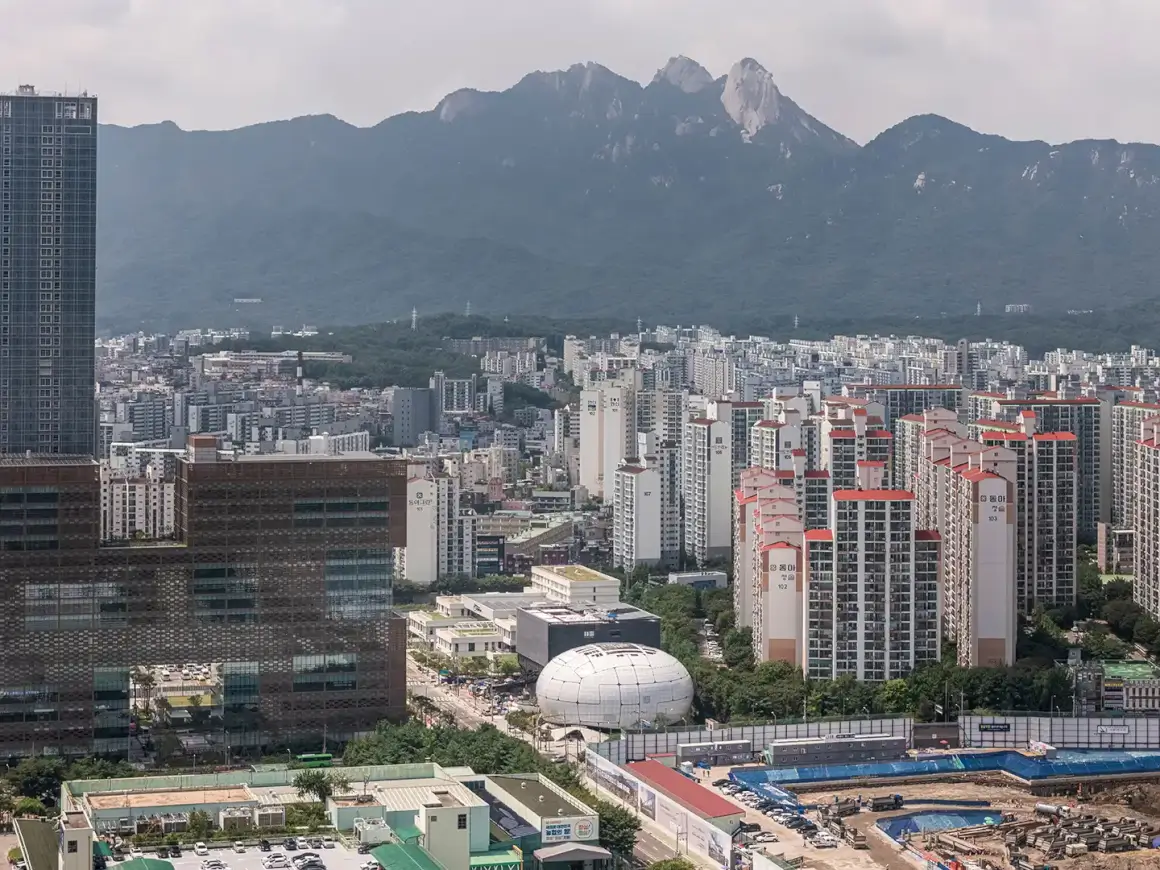
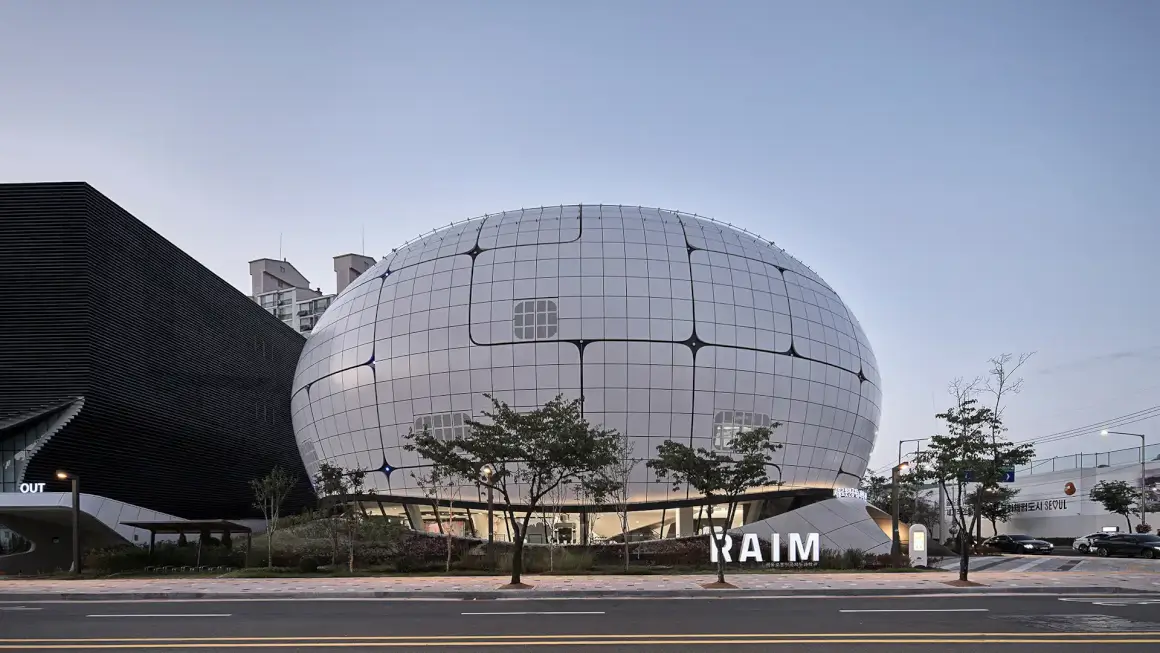
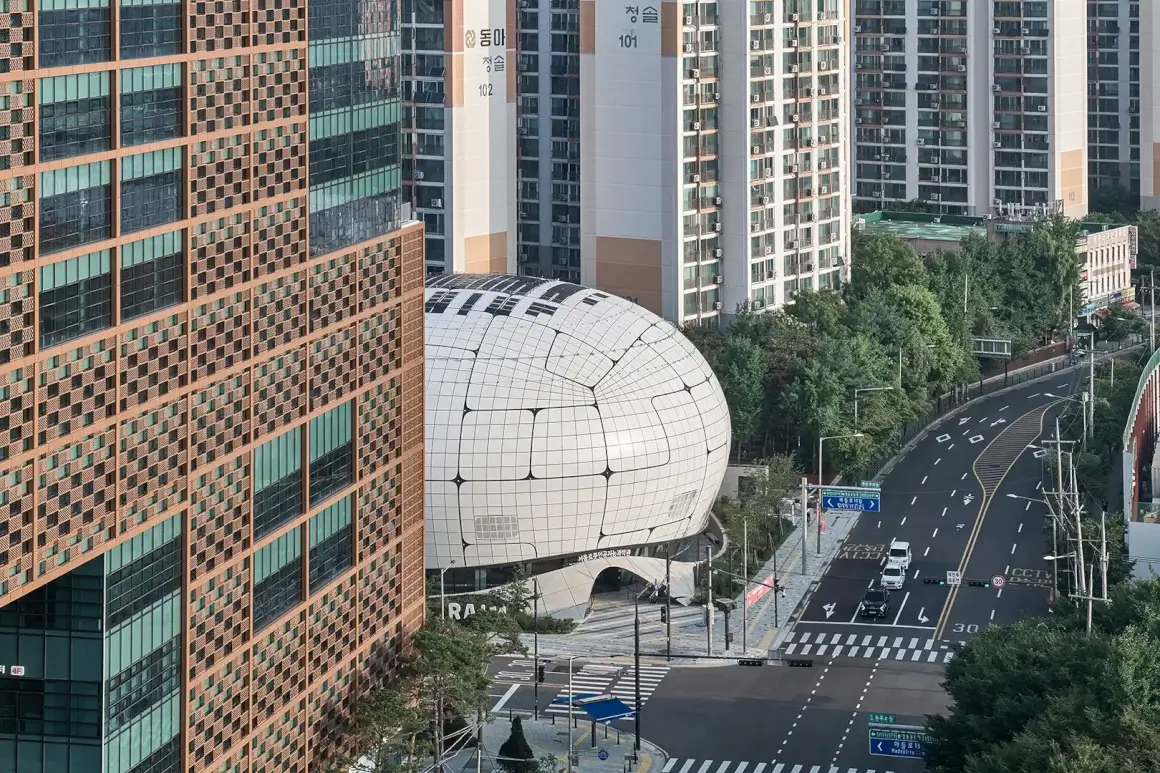
MAA’s architectural manifesto for RAIM articulates a distinctive design language that leverages smart design and construction methodologies to create an immersive universe for robots, AI technologies, and visitors. The museum’s spherical, non-directional form is characterized by fluid, organic shapes that resonate with the advanced technologies housed within. This dialogue between contemporary architectural expression and technological innovation forms the foundation of RAIM’s design philosophy.
The architectural form of RAIM is not merely an envelope but an integral part of the museum’s narrative, reflecting the fluidity and dynamism of the AI and robotics fields. The building’s design fosters an ongoing interaction between its innovative form and the groundbreaking technologies it showcases.
Seoul Robot and Ai Museum by Melike Altinişik Architects, won an 2025 International Architecture Award from The Chicago Athenaeum: Museum of Architecture and Design.
RAIM as a Catalyst for Innovation
RAIM is envisioned as a catalyst for the advancement of science, technology, and innovation. It aims to contribute significantly to the development of Seoul’s AI industry ecosystem by inspiring and engaging the community. The museum is strategically positioned to connect researchers from nearby universities, research institutes, and corporations with the public, offering a space for exhibitions, hands-on experiences, and educational programs focused on robotics and AI. This integration of academia, industry, and public engagement positions RAIM as a node in the regional science and culture network.
Planned exhibitions and collaborations with adjacent cultural and entrepreneurial facilities—such as ‘Chang-dong Aurene,’ the ‘Seoul Museum of Photography,’ and the ‘Startup and Cultural Industrial Complex’—will further embed RAIM within local cultural fabric. These initiatives are expected to invigorate the local economy and contribute to the cultural renaissance of the Chang-dong Sanggye area.
Visitor Experience
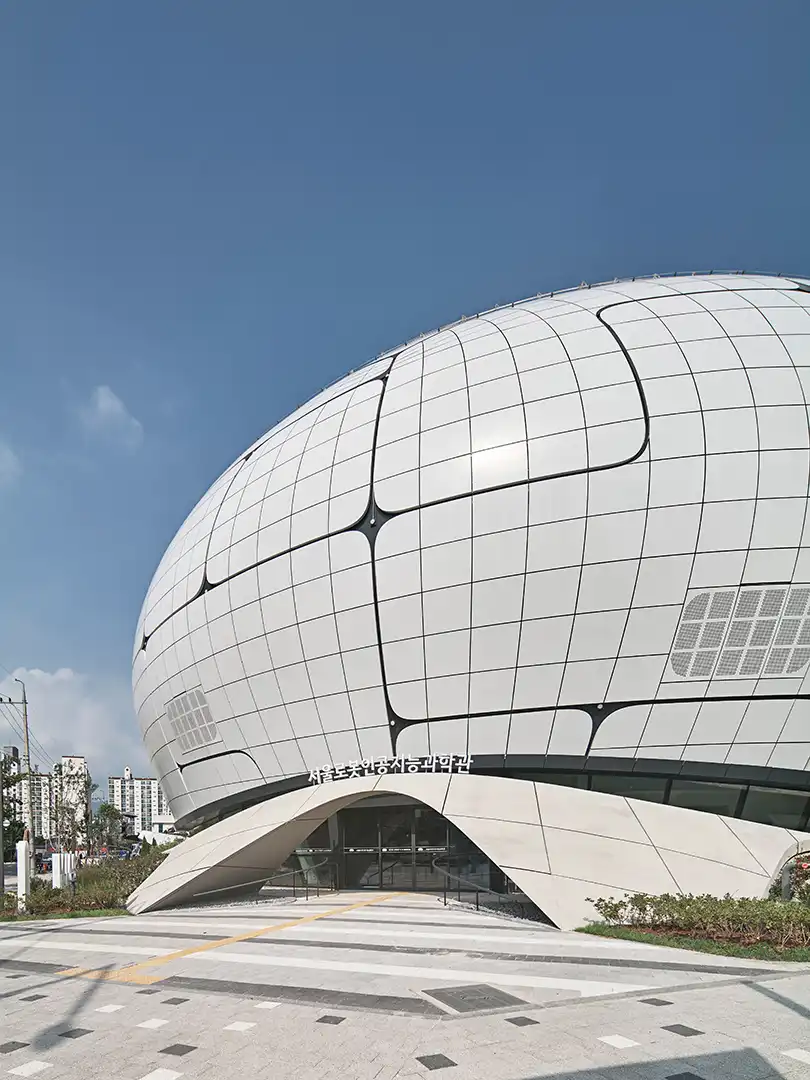
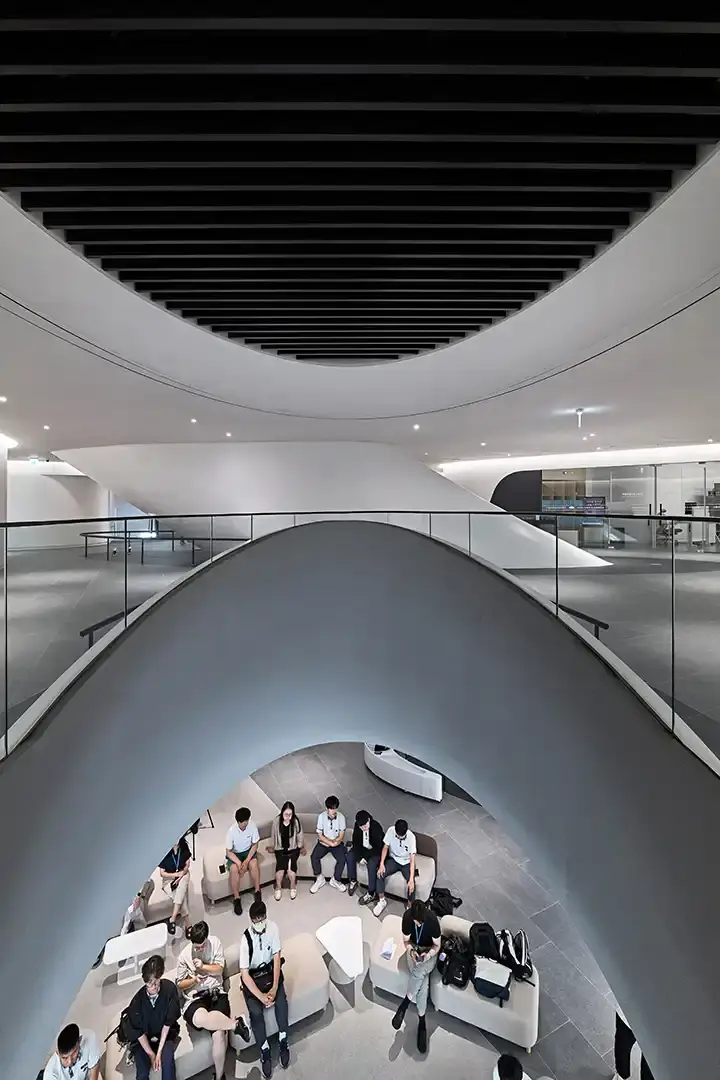
The visitor experience at RAIM begins at the entrance, where welcoming robots introduce the journey. The ground floor, with its reception, ticket halls, café, and shop, establishes a fluid interaction between the exterior public realm and the interior spaces. At the heart of the museum, the vertical exhibition tunnel dissolves the boundary between the tangible world and the realm of robotics and AI, leading visitors to the permanent and temporary exhibitions on the upper floors. Educational and administrative facilities are located on the 2nd floor. There are also 2 Basement levels with car parks and technical service facilities.
This spatial design is intended to evoke a sense of exploration and discovery, guiding visitors through a narrative of scientific and technological progress.
Innovative Technologies
RAIM’s construction reflects the integration of advanced architectural technologies aligned with the 4th Industrial Revolution. The museum was constructed using smart building techniques, with Building Information Modelling ensuring precision in both design and construction. The process employed Off-Site Construction methods, which allowed for the efficient and high-quality realization of the museum’s complex, non-linear forms.
The process of implementing the non-directional spherical exterior, the fluid-like gate, the escalator tunnel that seems to guide you into an unknown world, and the numerous non-linear RAIM shapes applied here and there onto the ground through innovative 4th industrial revolution technologies has become the beginning of RAIM’s symbolic exhibition.
Architects: MAA Melike Altinişik Architects
Lead Architect: Melike Altinişik
Associate Architects: WITHWORKS Architects & Engineers
General Contractor: LC Construction Co., Ltd.
Client: Seoul Metropolitan Government
Photographers: Namsun Lee