New York, New York, USA
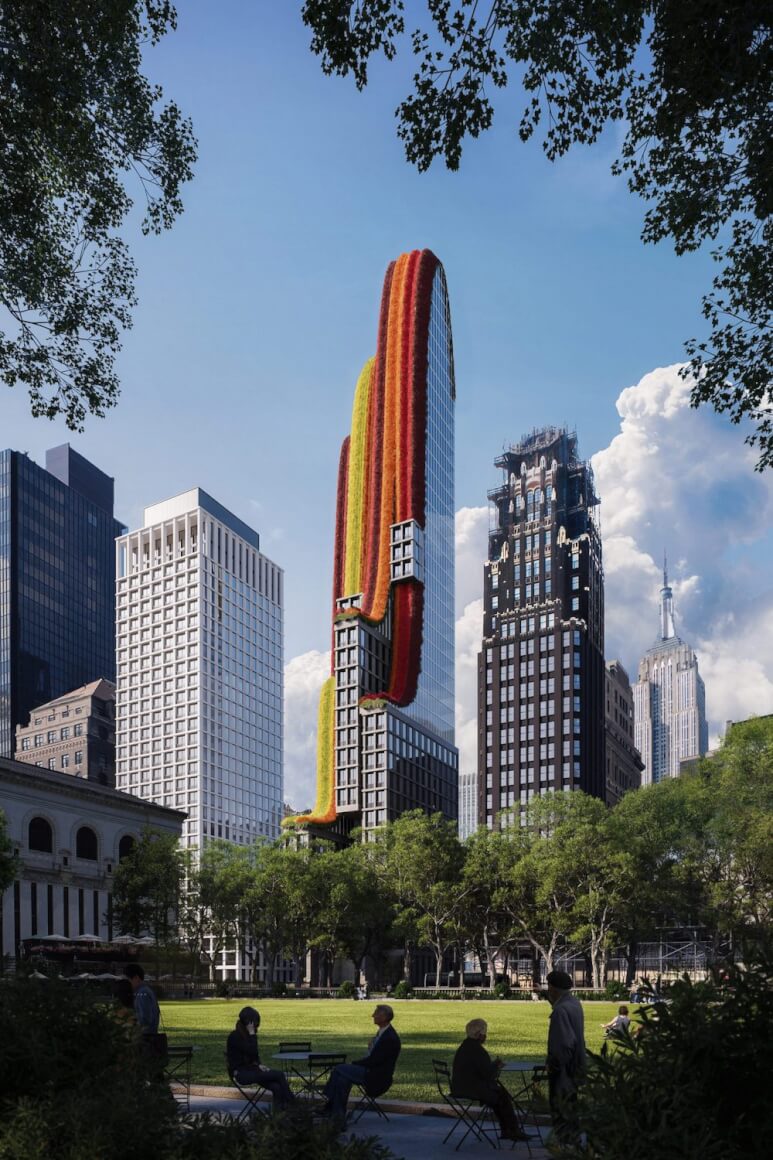
Designed by Selim Vural and his team at Brooklyn-based Studio Vural, the visionary design for this 265,000sf passive-tower called Lilly at this site in Manhattan’s Bryant Park offers a powerhouse of sustainable spaces with extremely low-energy costs.
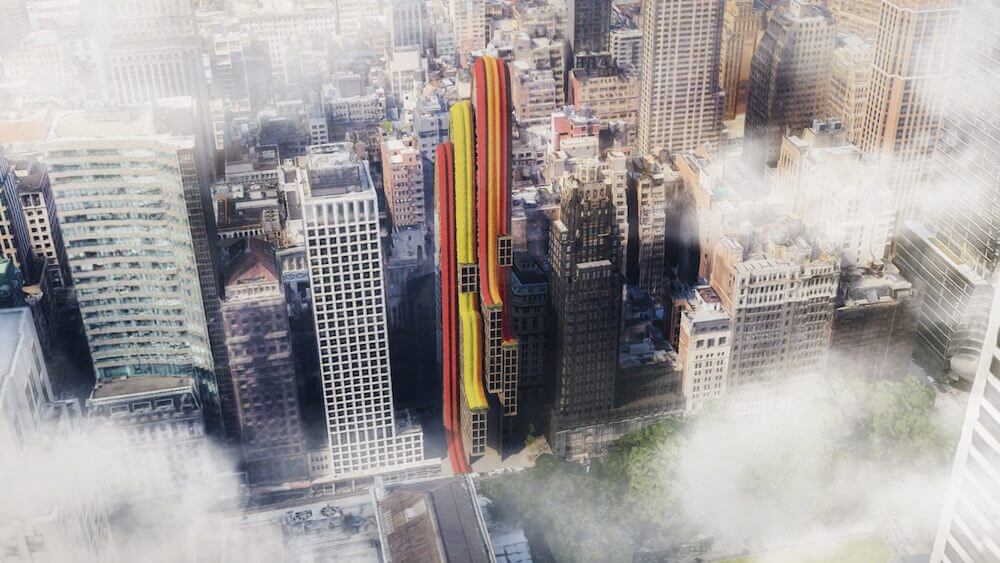
Architect Vural calls the 21-story tower “Lilly.”
The scheme was inspired by the architect’s own 1,000-square-foot rooftop, where he grows vegetables, fruits, and flowers.
Vural wants to build a large-scale green building starring his favorite urban flower: Lilies.
“It’s a very resilient and hardy plant,” he said, noting the flower has been an amazing addition to his own roof deck.
“They proliferate, give new bulbs, and spread around in the garden.”
As an urban gardener, Vural was able to see how he became part of Brooklyn’s natural ecosystem, feeding the birds and bugs and letting his plants absorb carbon from our very polluted city.
And so, the visionary scheme Lilly was born.
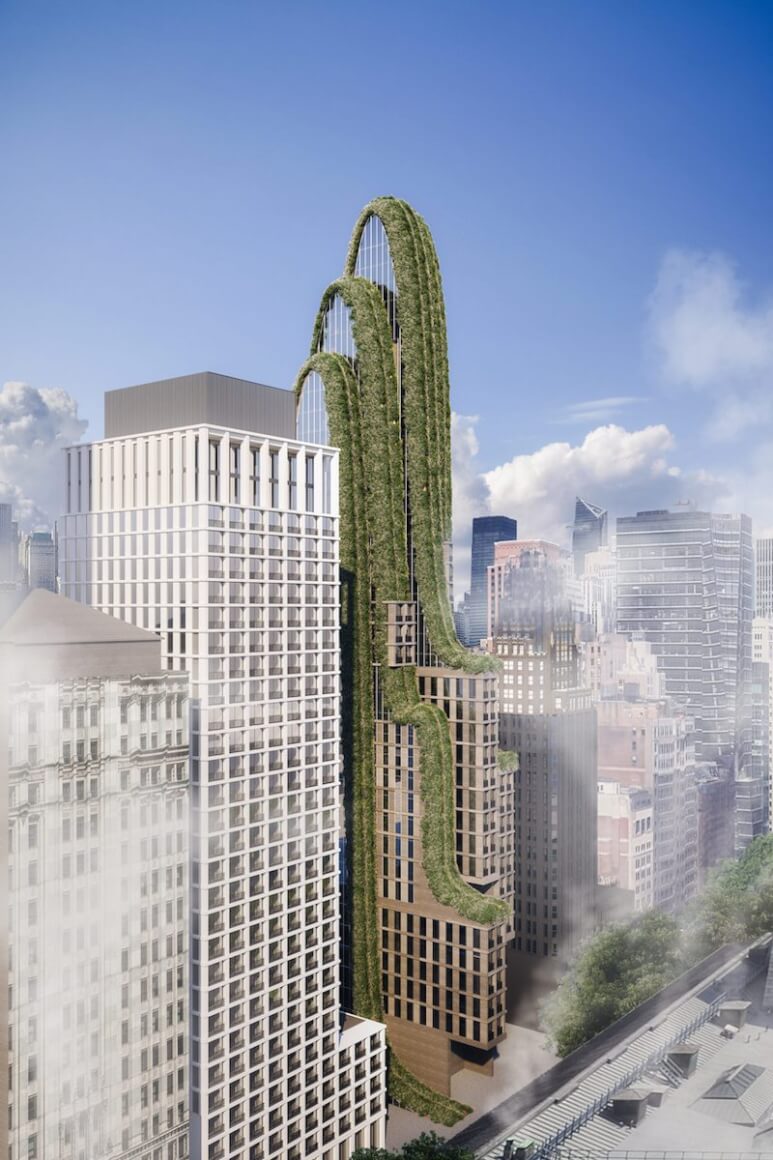
The Lilly’s shape was informed by the steep rice fields found in parts of Asia, “where every square inch of fertile soil matters,” continues the architect.
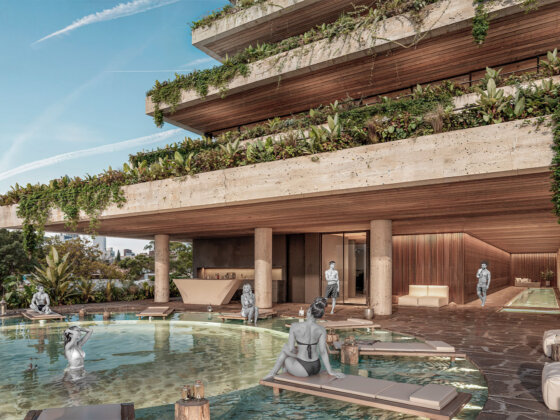
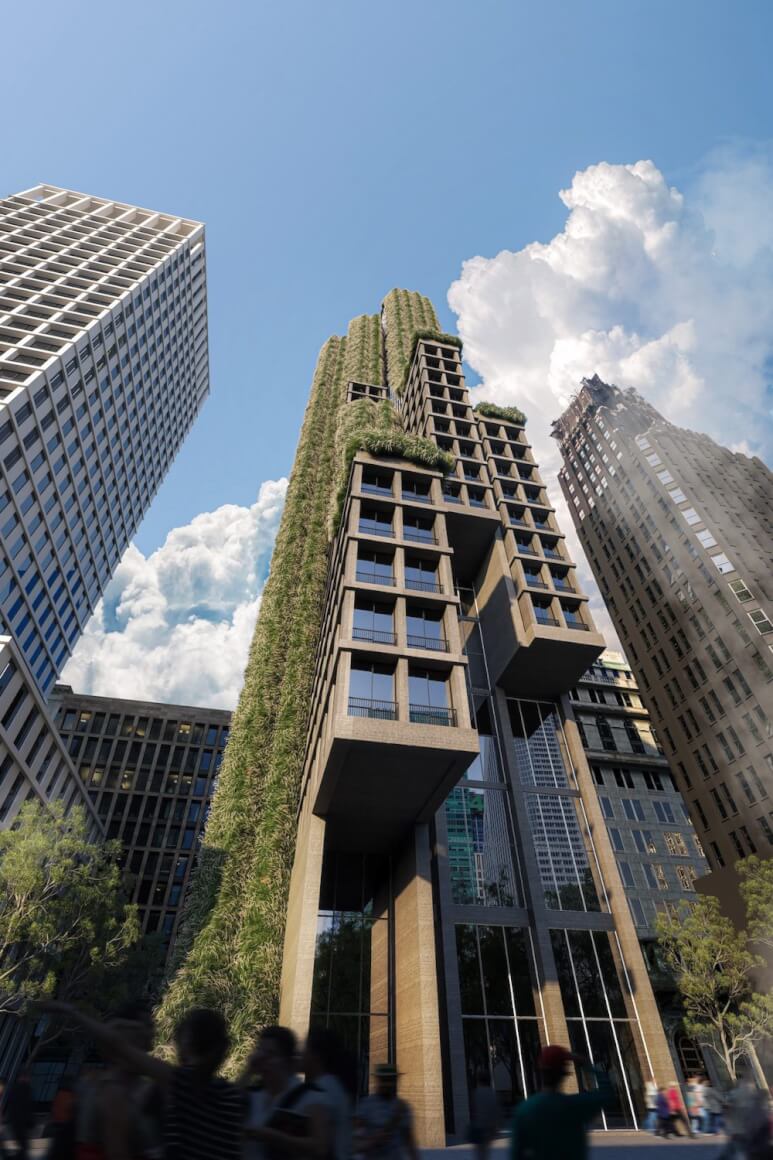
The Lilly building would be triple glazed and partly covered in vegetation, which would provide natural insulation,
The renderings of the mixed-used skyscraper shadowing Bryant Park aren’t just conceptual: “It is possible to make this happen,” Vural emphasizes.
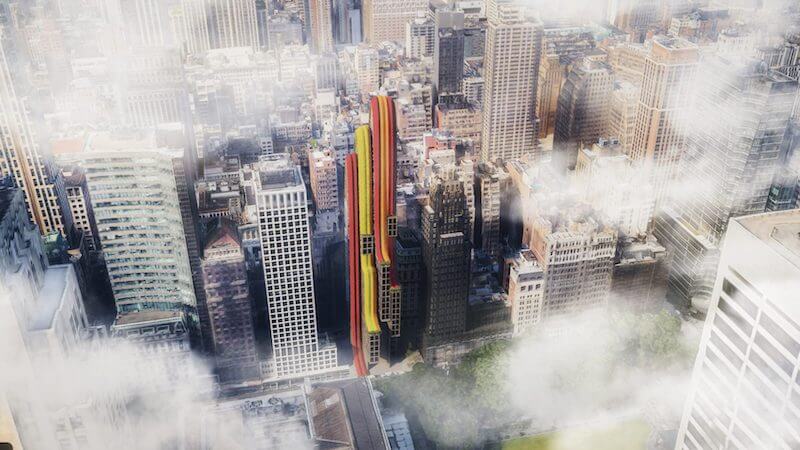
Vural said the tower would be similar in spirit to the Centre Pompidou in Paris, which features exposed structural and mechanical systems on the exterior. Centre Pompidou was designed by Richard Rogers, Renzo Piano and Gianfranco Franchini and opened in 1977.
New York City also already has several buildings with geothermal energy, solar panels, and green roofs, like The Barclays Center, which is covered in sedum, low-maintenance greenery that adds both beauty and eco-friendly benefit to the stadium.
“One of the biggest reasons you don’t see more vertical walls like this is the difficulty of maintenance, watering and the cold weather,” Vural noted.
However, irrigation technology would help with the maintenance and watering, and Asian lilies are “resilient enough to survive the winter,” he said.
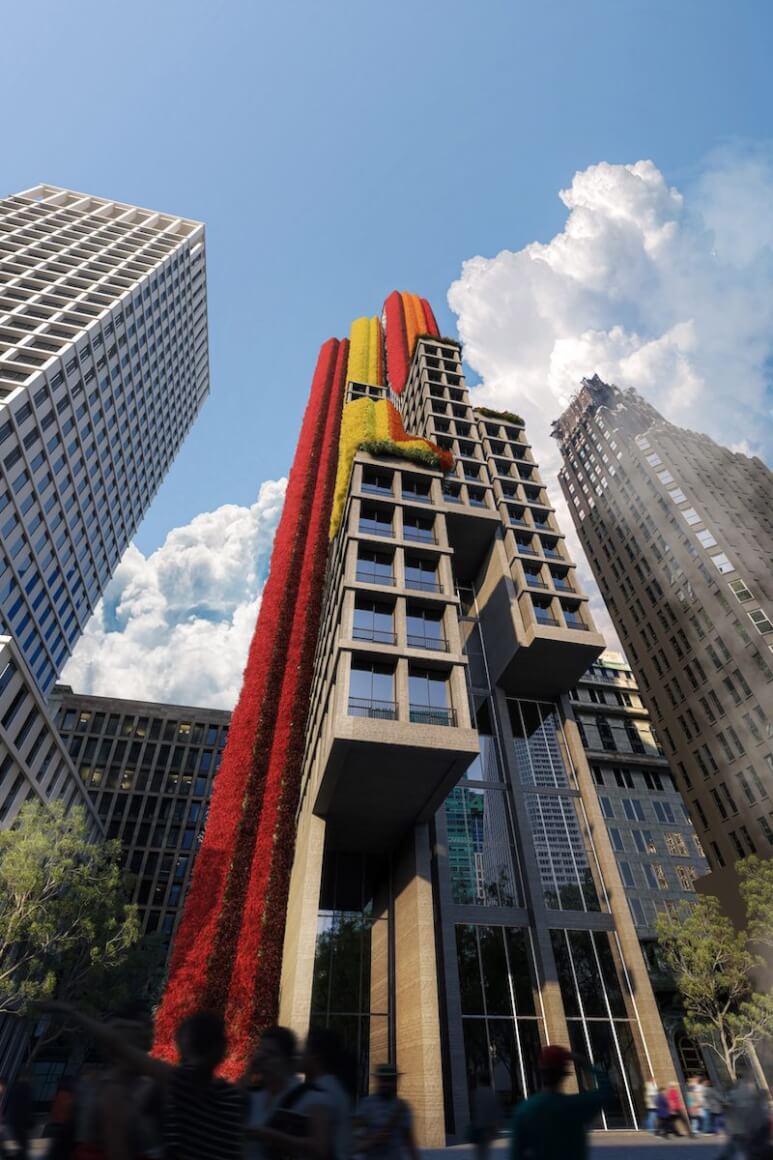
“As we provide the right conditions, the lilies will thrive.”
“A flower field is a powerful image, which is fitting to Lilly’s message – clean construction technology with an aesthetic statement,” he said.
“Without the aesthetics, it is not architecture. It is just building.”
The planting system would consist of lightweight, concrete beds supported by a steel frame. Water would come from rainwater and greywater, along with city-supplied water if needed.
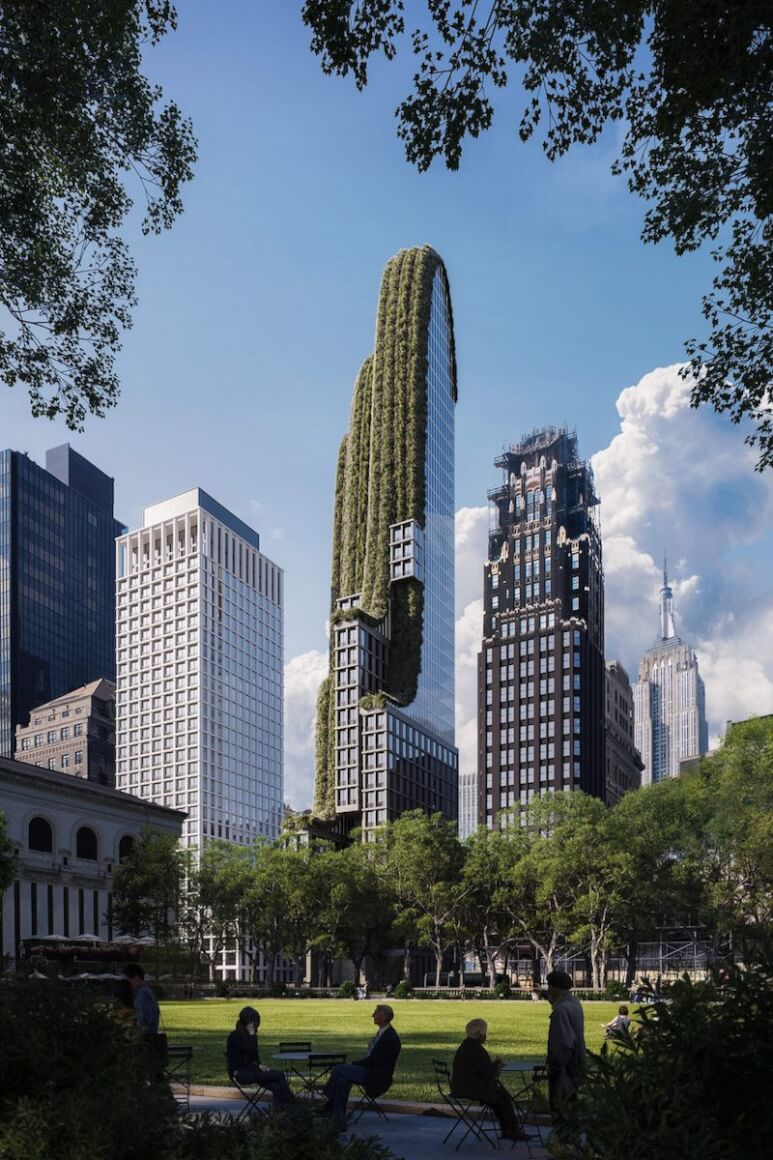
To maintain the vegetation, Vural said “brave landscapers” would pass through access doors leading to steep ladders. Drones could potentially help, as well.
Not only do flowers offer a beautiful natural aesthetic, flower beds offer natural insulation and carbon absorption.
The more plants, the cleaner the air at the source of the pollution. Imagine, Midtown Manhattan smelling like perfume!
“When it’s done, nature will reward us,” Vural said.
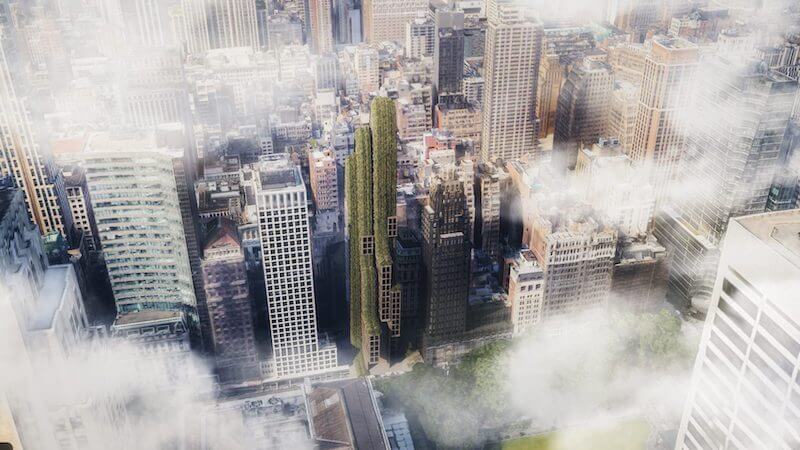
Project: Lilly
Architects: Studio Vural
Design Team: Selim Vural, Ceren Kalayci, and Ayca Yildirim
Renderings: Dom Wipas