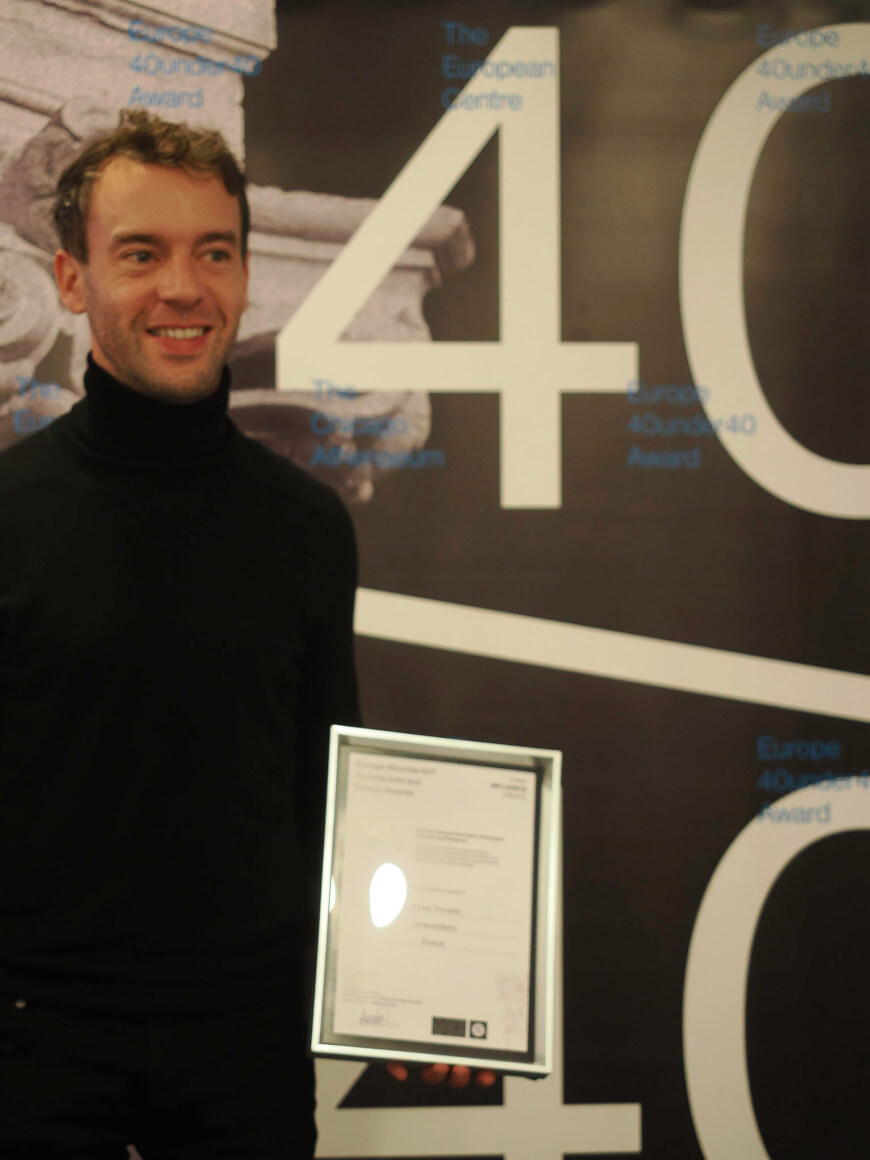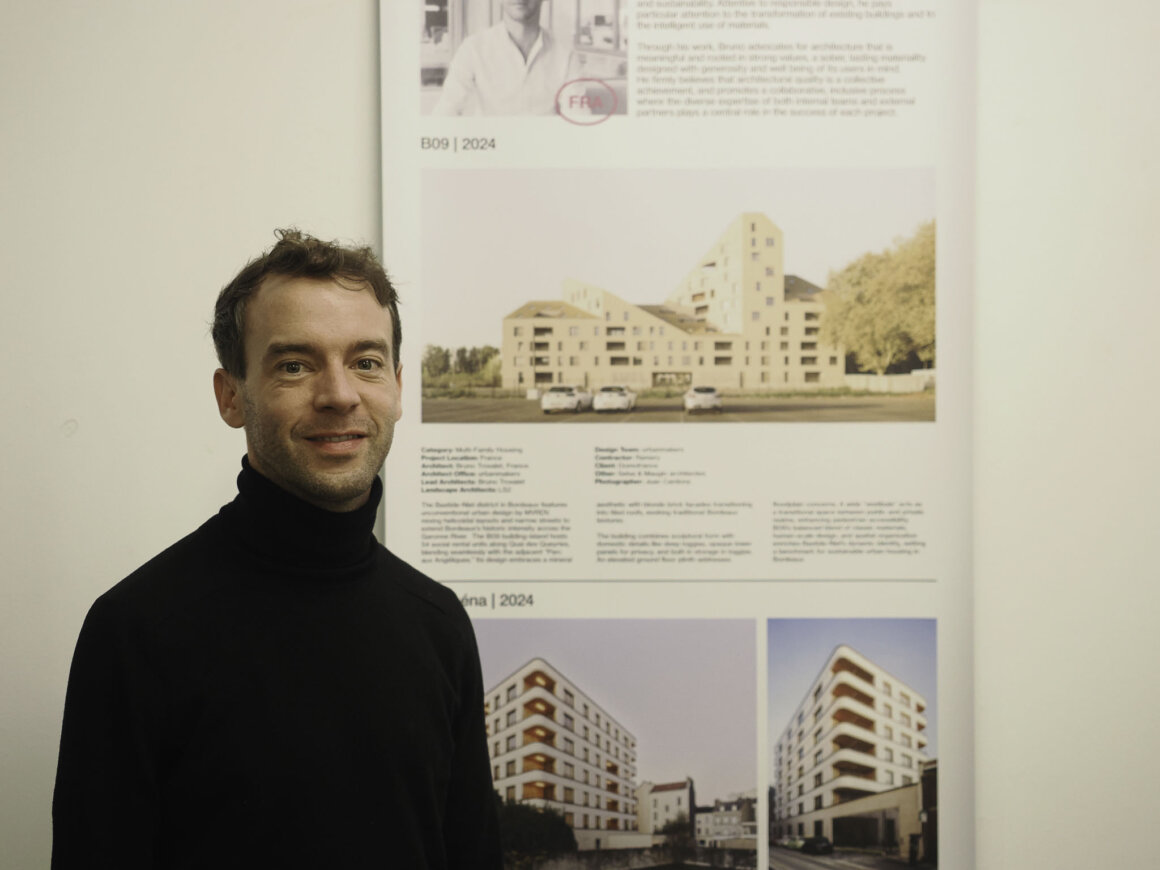
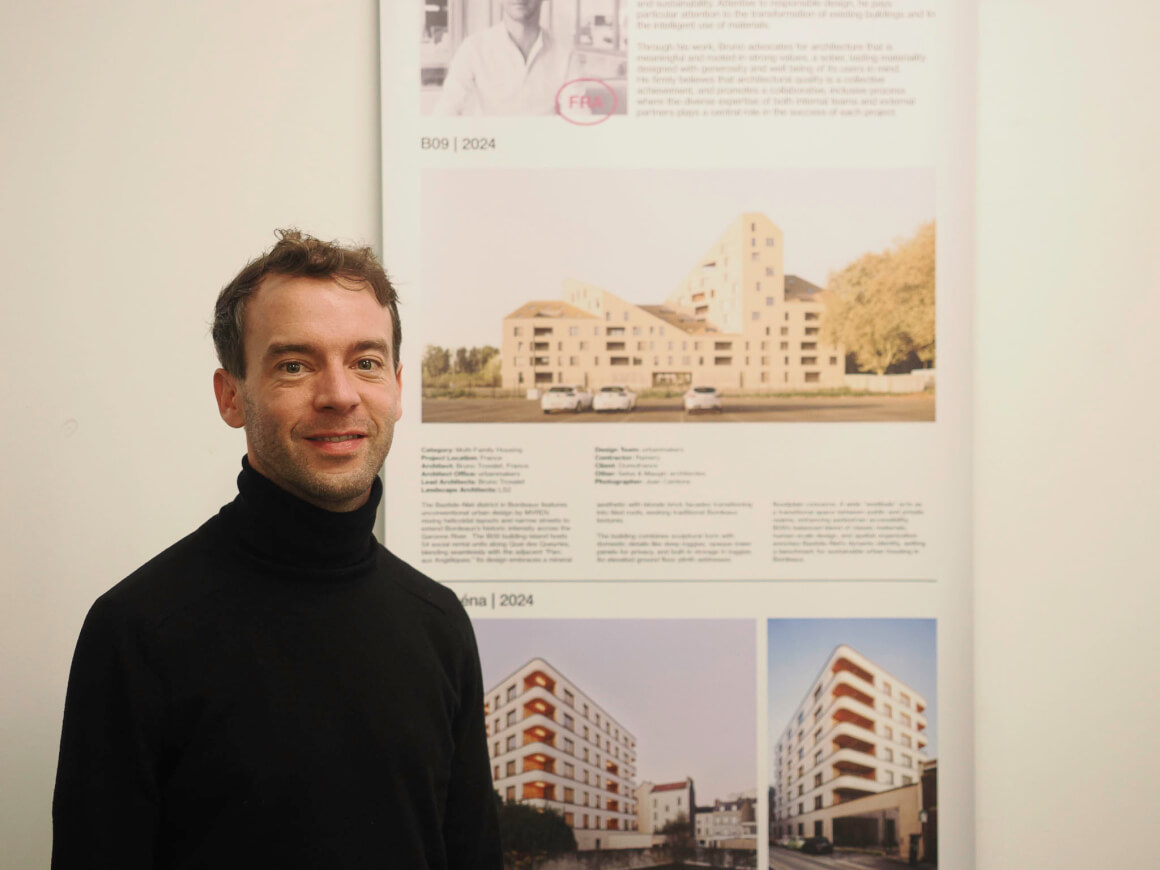
Bruno Trovalet is a French architect and civil engineer, born in 1985. He earned a degree in civil engineering, largely in Denmark, before graduating from the École Nationale Supérieure d’Architecture de Nantes. A founding member of urbanmakers in 2010 and partner since 2021, he leads diverse projects—from new builds to renovations—with a focus on honesty, sobriety, and sustainability. Bruno prioritizes transforming existing buildings and smart material use, fostering collaborative processes for meaningful, user-centered architecture. In 2025, he was named among the winners of 40 under 40 Europe.
GDN: What are the principles guiding your architectural projects?
Bruno Trovalet: Our projects are guided by a constant pursuit of sobriety and frugality, with a strong focus on low-carbon construction. User comfort is central to our approach, along with the ambition to create clear, meaningful architecture that is easy to appropriate. We also place great importance on the durability and long-term adaptability of buildings, ensuring they remain relevant, resilient, and sustainable over time. Finally, each project seeks to activate at least one lever of innovation, whether through virtuous construction methods or new ways of using spaces.
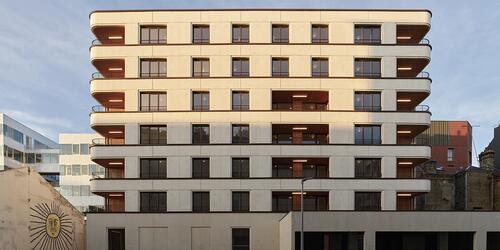
GDN: How do you balance environmental consciousness with client needs in your submitted work?
Bruno Trovalet: You need to be personally convinced in order to bring clients on board with more responsible projects. A strong level of technical expertise builds confidence and reassurance for our clients. Thanks to this, we are gradually able to deliver projects using construction methods such as earth or solid stone. At Urbanmakers, our current challenge is precisely to revive these ancestral building know-how practices, rooted in common sense and particularly relevant in addressing today’s environmental challenges.
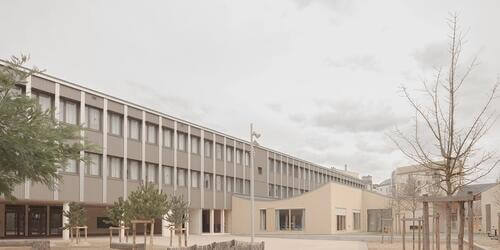
GDN: How has receiving the Europe 40under40 award influenced your approach to future projects?
Bruno Trovalet: It is fascinating to witness the diversity of European architecture: the project approaches, construction innovations, environmental strategies, and the emphasis placed on the user.
This distinction signifies participating in a movement that helps shape the future of our discipline. It sharpens our focus on the message conveyed by our projects, both in their architectural expression and in the values they uphold.
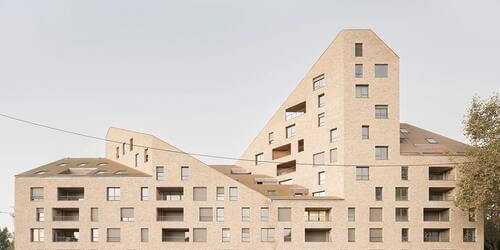
GDN: What legacy do you hope your generation of architects leaves behind?
Bruno Trovalet: I hope our generation will leave behind buildings designed to evolve over time. The model of single-use buildings now feels outdated; it is essential to imagine architecture capable of accommodating new functions 50 years from now without requiring demolition. This means designing durable, adaptable structures that can successively host housing, offices, schools, or other programs.
The current momentum around the rehabilitation of existing buildings is particularly inspiring and reveals a profound transformation in our cities. Based on these present-day observations, we have a responsibility to guide our architectural practices in ways that facilitate and support the long-term evolution of urban environments.