New Haven, Connecticut, USA
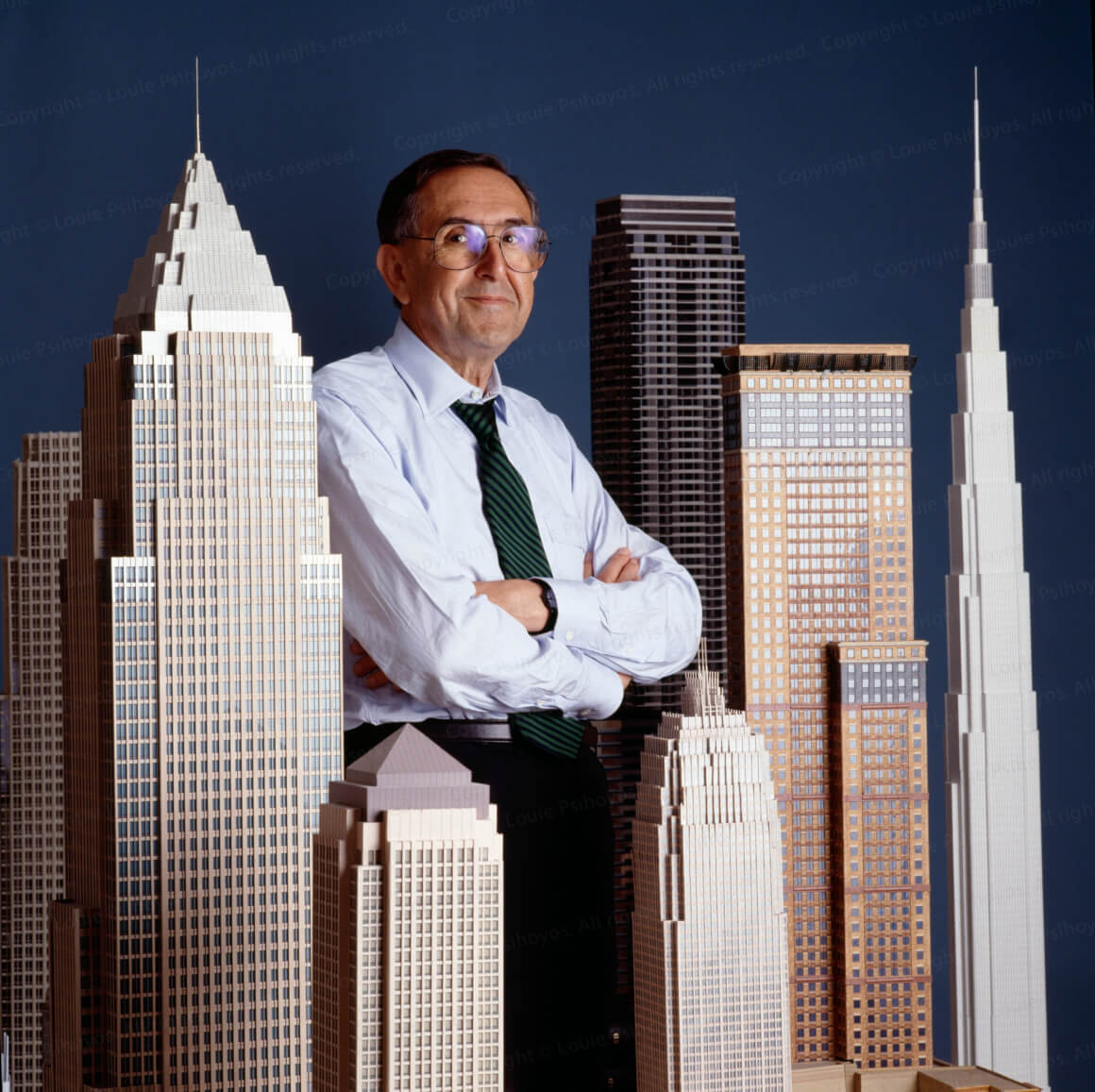
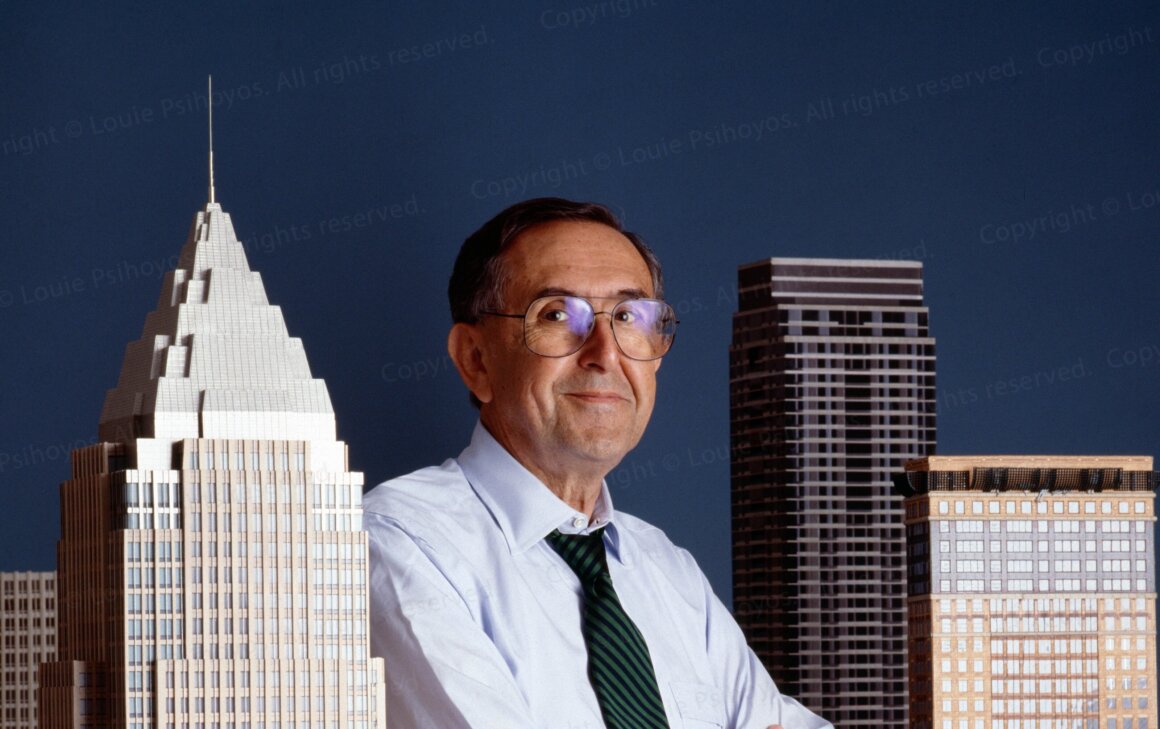
Born in San Miguel de Tucumán, Argentina, in 1926, César Pelli was one of the most influential architects of his generation. His visionary approach to design helped shape some of the world’s most recognisable skylines.
After graduating in architecture from the University of Tucumán, he moved to the United States in the early 1950s, continuing his studies at the University of Illinois. There he began a distinguished career that would span more than six decades.
His early years were formative. Pelli joined the office of Eero Saarinen, where he worked on celebrated projects such as the TWA Flight Center in New York, an experience that deepened his commitment to design as a rigorous, thoughtful craft.
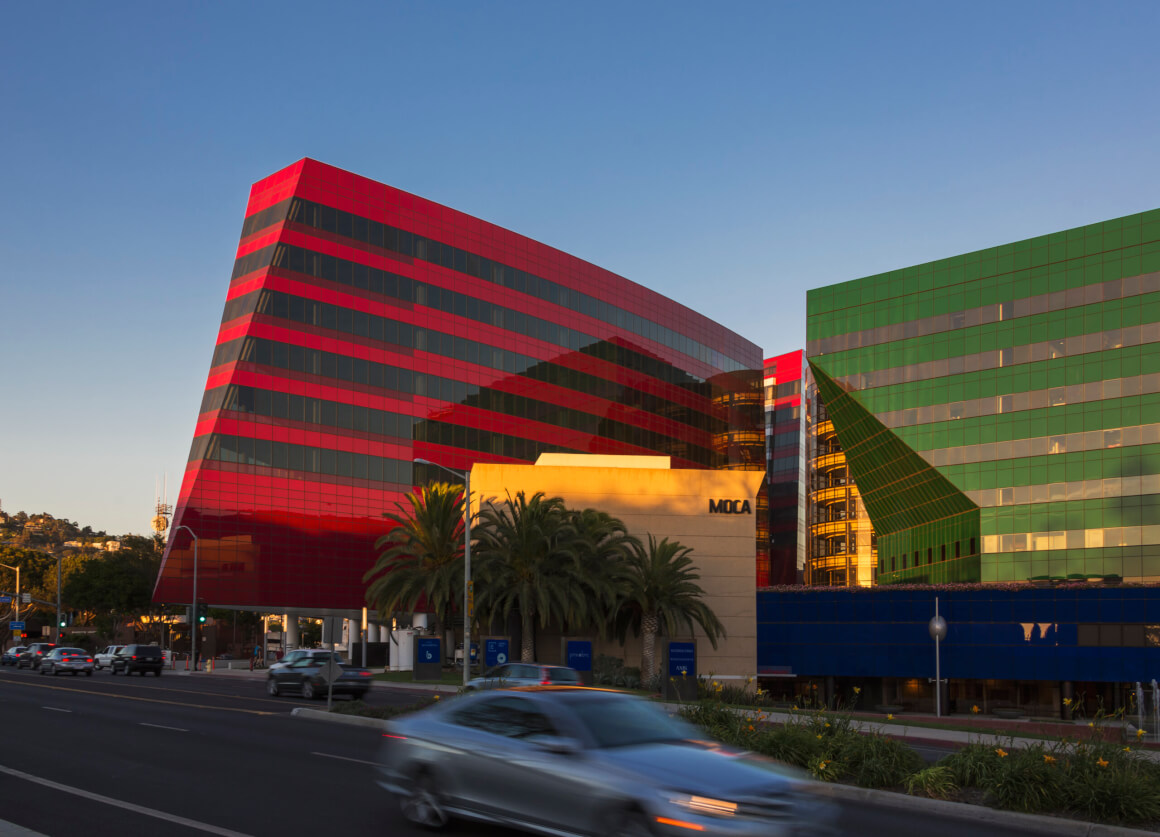
He later led design at firms in Los Angeles, where he created the Pacific Design Center, affectionately known as the “Blue Whale.”
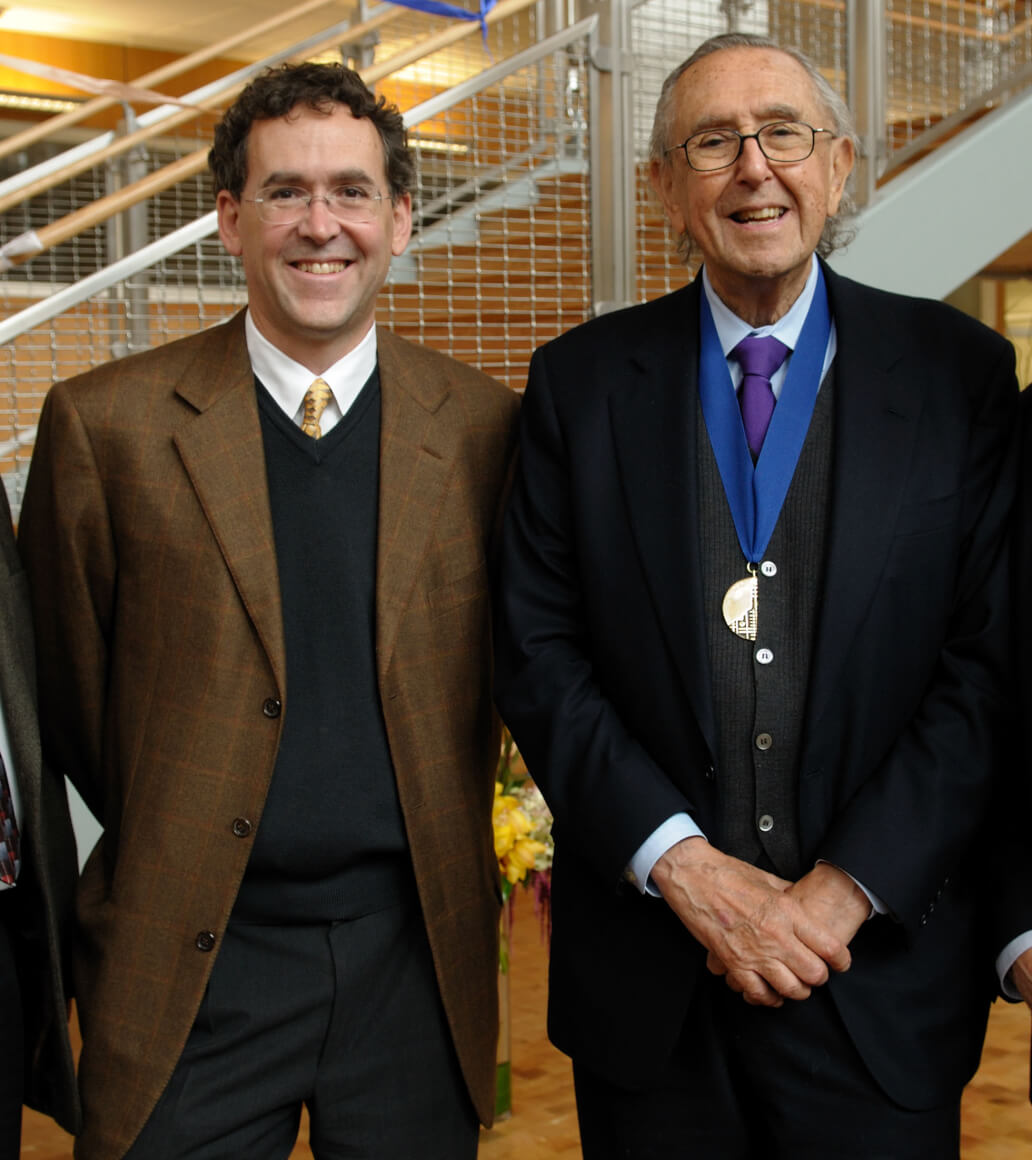
He then served as Dean of the Yale School of Architecture between 1977 and 1984, shaping a generation of young architects. In 1977 he also established his own practice, today known as Pelli Clarke & Partners, which became internationally renowned.
His work was recognised with the American Institute of Architects’ Gold Medal in 1995, one of the profession’s highest honours.
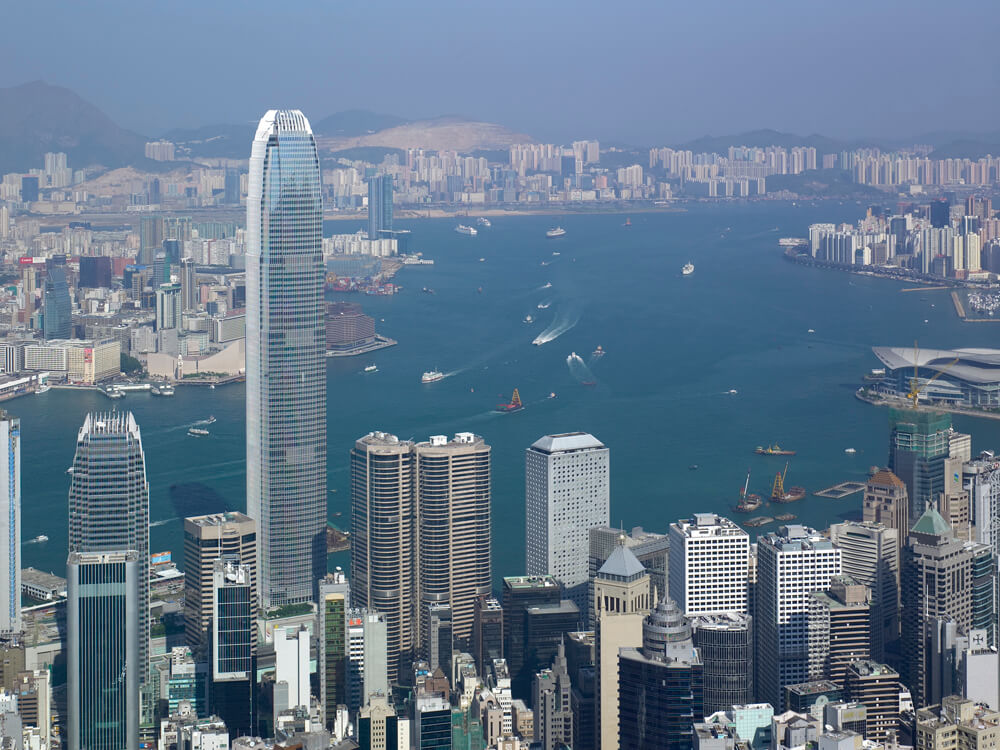
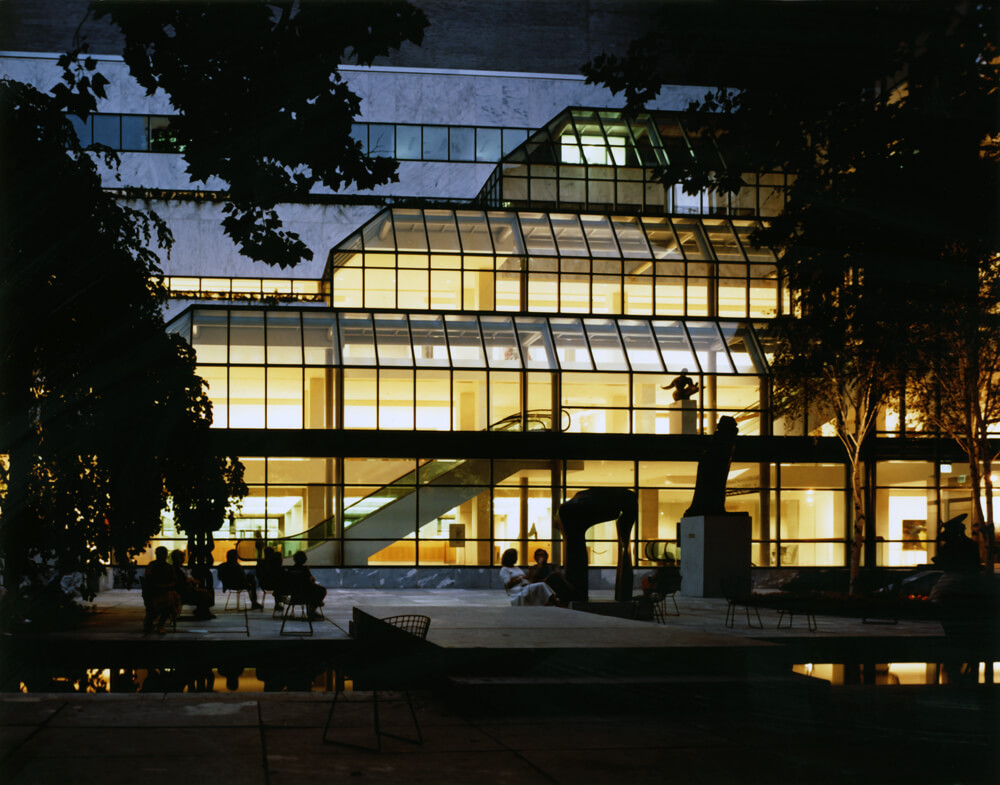
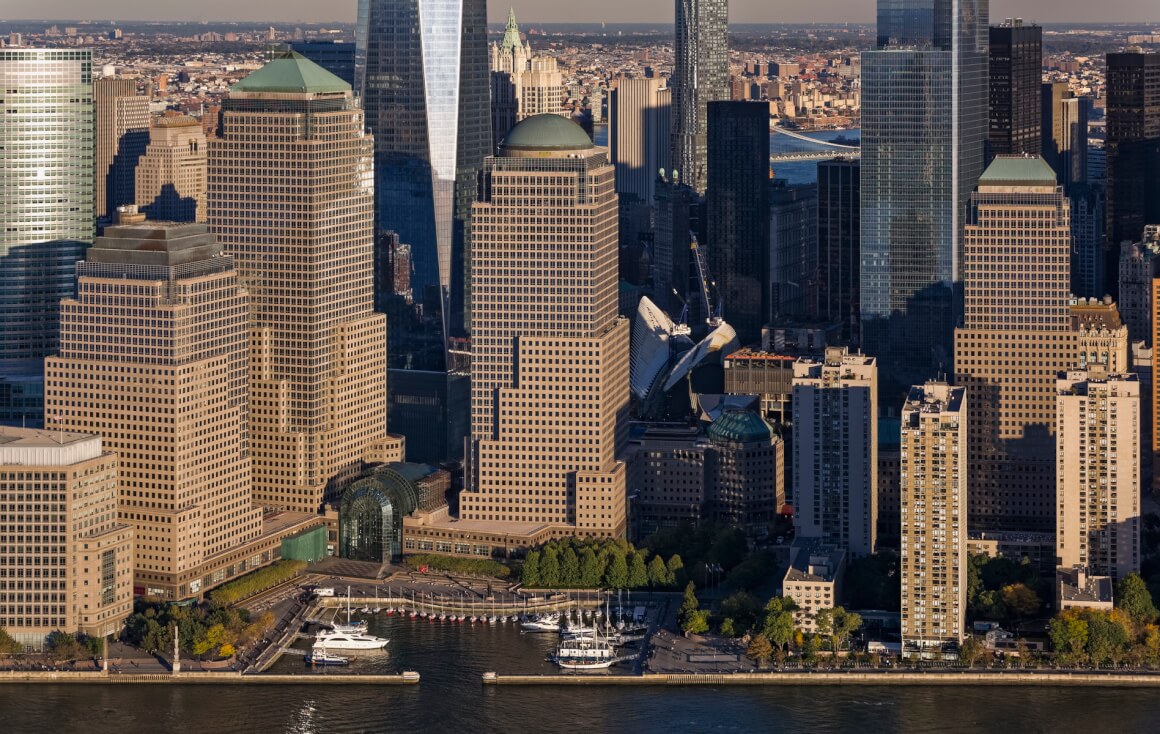
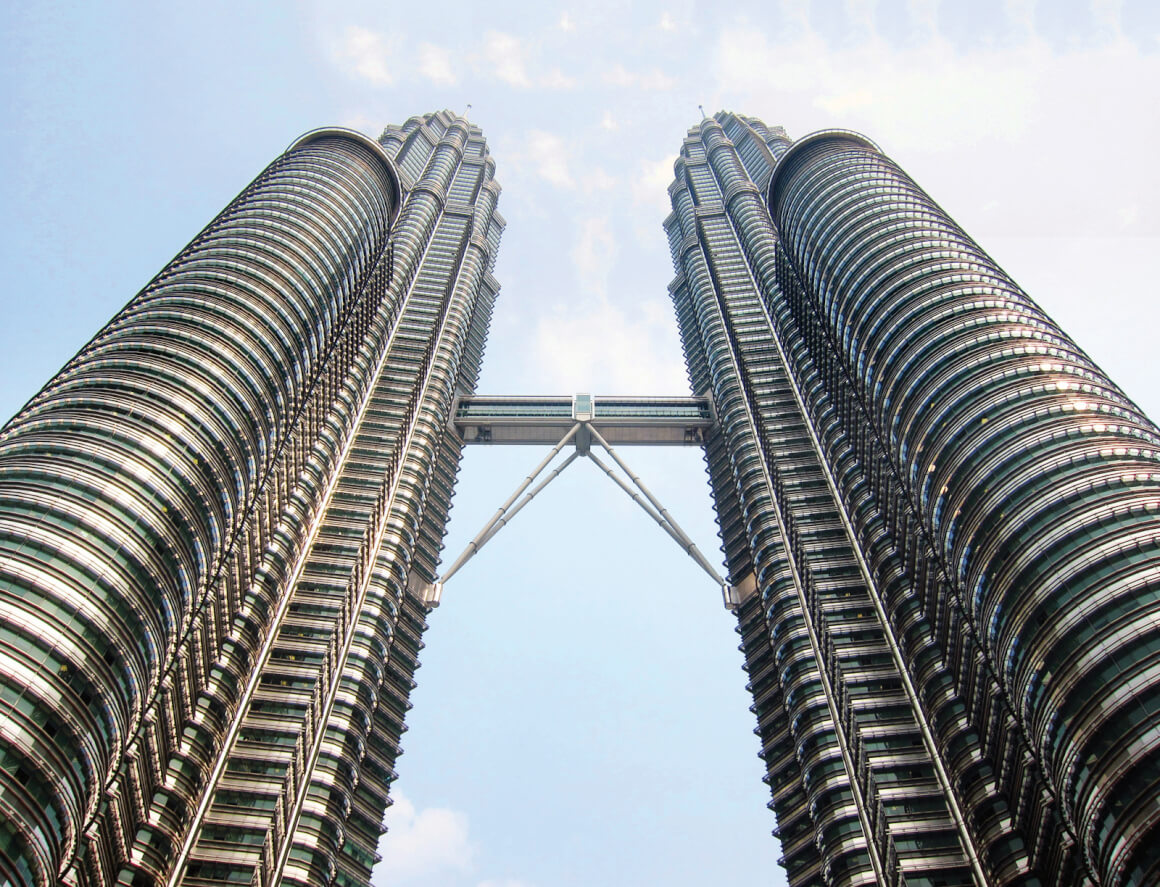
His extraordinary portfolio spans continents. It includes the Petronas Towers in Kuala Lumpur, which held the title of the world’s tallest buildings from 1998 to 2004, and the World Financial Center in New York, with its celebrated Winter Garden.
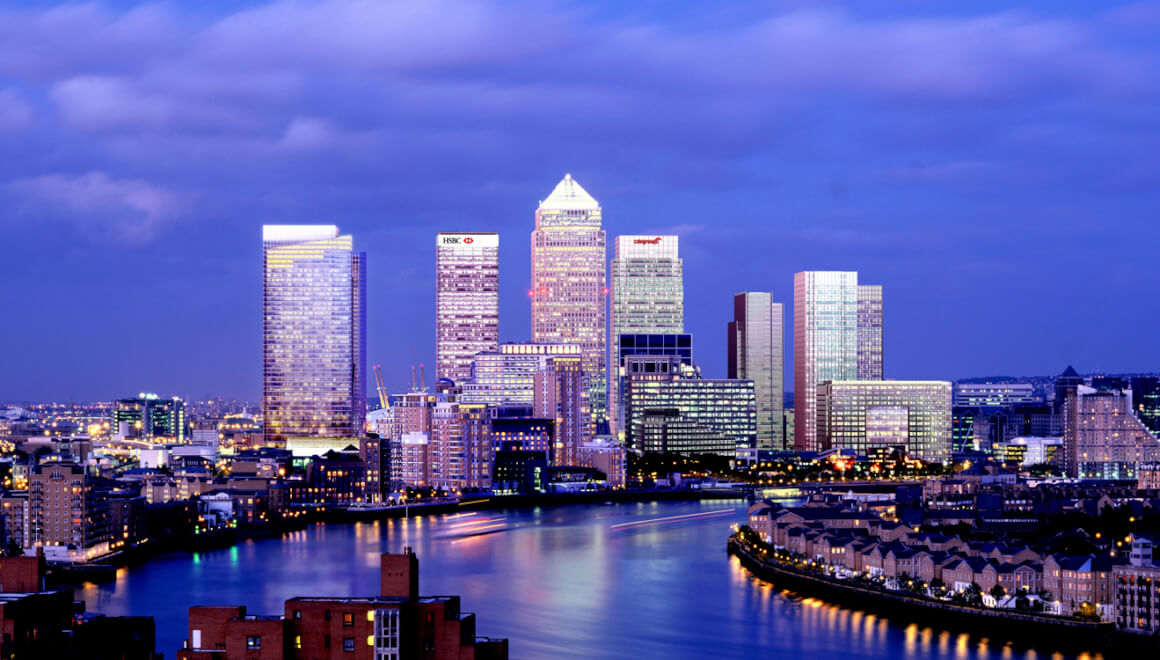
Further landmarks include One Canada Square at Canary Wharf in London, the Pacific Design Center in Los Angeles and Salesforce Tower in San Francisco, which now crowns the city’s skyline.
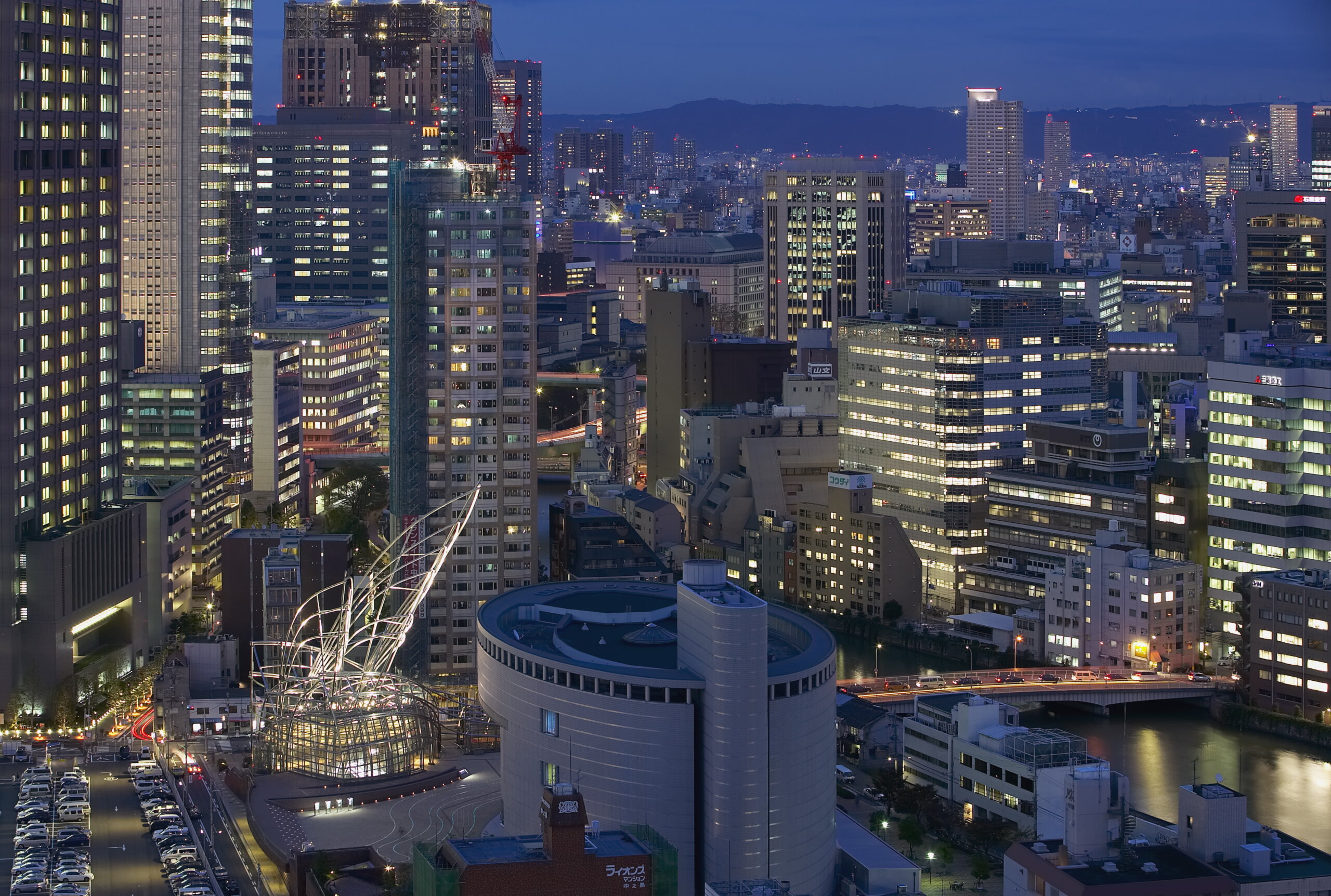
Across these projects, Pelli demonstrated an exceptional ability to combine architectural ambition with sensitivity to context.
He embraced new materials and construction technologies while creating buildings that responded to the character and needs of their surroundings.
Central to his philosophy was the belief that every building should be considered as an individual response to its place and purpose, rather than adhere to a recognisable signature style.
As his son and fellow architect Rafael Pelli reflects: “He believed strongly that each building is its own entity. He wasn’t interested in how buildings looked together in a monograph.
They live in different places and need to be informed by the culture of that place, by their users, by local codes and by local climate.”
Pelli’s creative life was also a shared one. His wife, the landscape architect Diana Balmori, was an important collaborator and intellectual partner, reflecting his belief that architecture, landscape and city are inseparable.
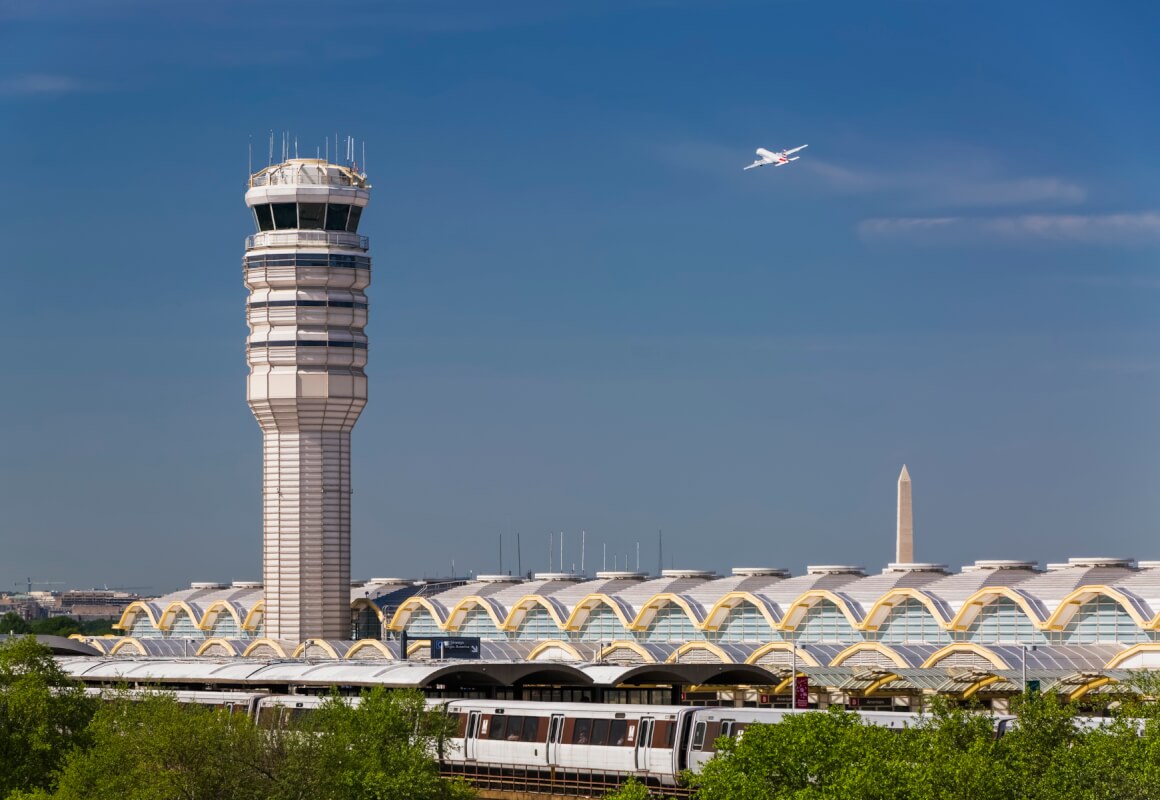
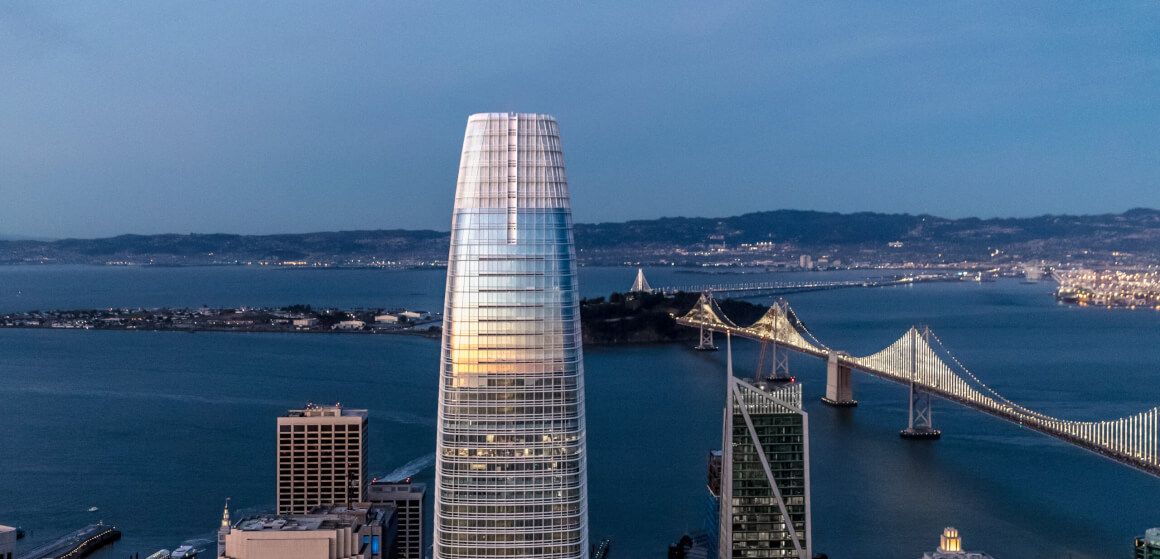
As the architectural world celebrates 100 years since his birth, Pelli’s legacy is evident not only in the buildings that continue to define cities around the world, but also in the generations of architects he inspired.
A lifelong educator and mentor, he championed collaboration, intellectual curiosity and the importance of nurturing emerging talent.
His enduring contribution lies in an approach to architecture that balances innovation with humanity, creating places that are not simply landmarks, but lasting contributions to the urban fabric and the lives of those who experience them.